Published 31st October 2026
We've all heard it before - "get your bedtime routine right if you want a good night's sleep." Put your phone away. Try meditating. Use that pillow mist...
But what if our ability to fall asleep had more to do with how we spent the day than the last 10 minutes just before bed?
The Rise of Insomnia
Insomnia and difficulty falling asleep are common presentations seen in GP clinics. And with the widespread use of smart phones, it's got worse.
I regularly see patients of all ages sharing that they find it hard to put away the phone before bedtime. Parents, teens, grandparents. They’re watching Korean dramas, YouTube, TikTok, Instagram, anything and everything. The word "scrolling" seems to have made its way into all languages now.
And they also seem to be aware of what's happening. They tell me: "I start looking at one thing, that takes me to another and another, and before I know it, it's been 2 hours!"
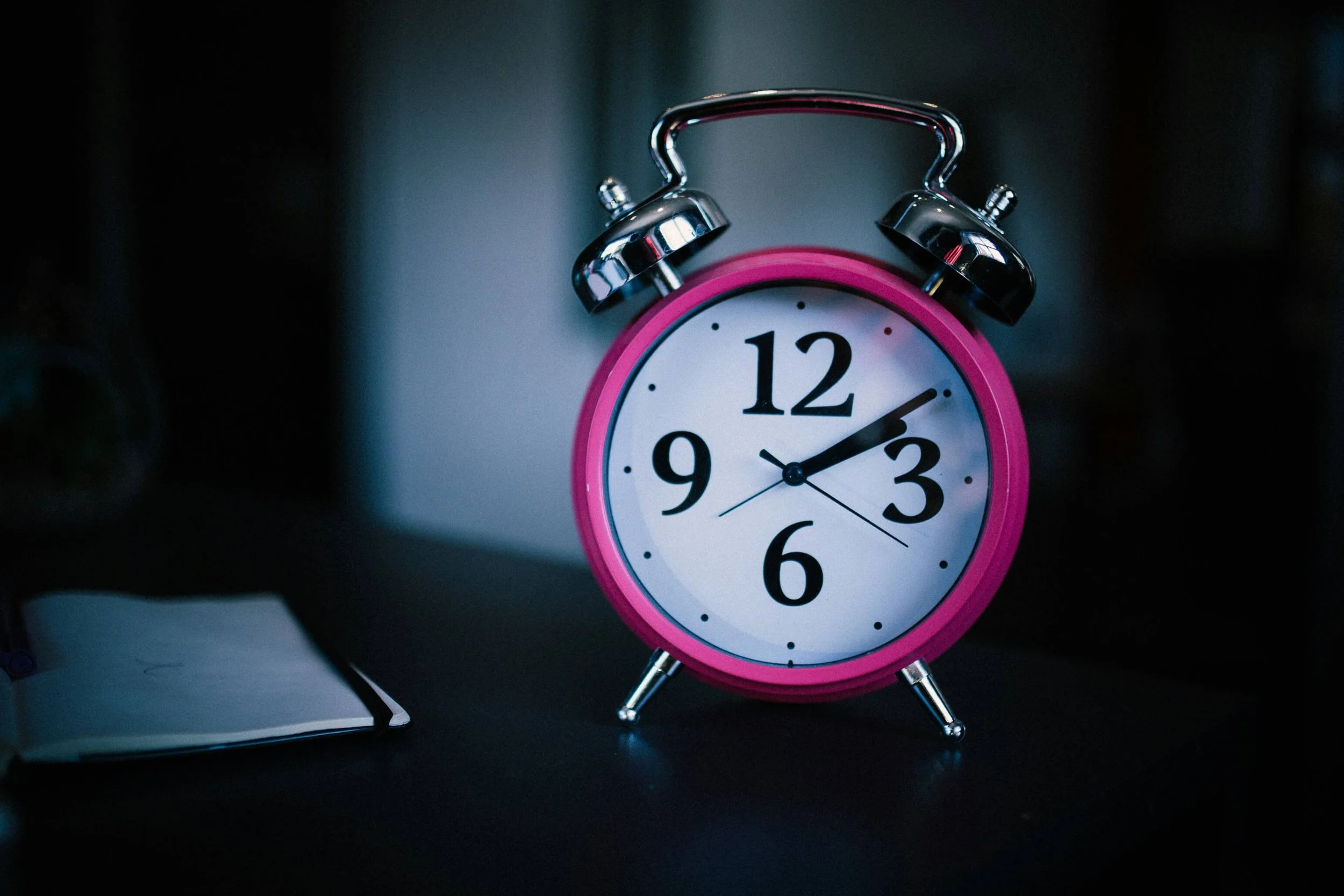
Does a Bedtime Routine Actually Help You Sleep?
Much of the advice we're given tends to focus on what happens in the bedroom or just before bedtime:
Lighting
Mattress comfort
Temperature
Warm bath
Herbal tea
Hot milky drink
Wind-down routine
Lavender spray on the pillow
Gadgets switched off or kept outside of the bedroom
Sound familiar? Yet even with all this, I see patients come back and say they still can't fall asleep.

Expansion Before Contraction: The Principle Behind Good Sleep
A key principle of Ayurveda's that has changed how I see many things is the idea of life being a push and pull between opposing qualities or forces. We need opposites for life to be in motion.
Night and day, expansion and contraction, hot and cold…
Think about your sleep. Often, we find it’s on those days we’ve spent doing lots of activities that we fall asleep as soon as our head hits the pillow. So, to be able to withdraw (rest), we need a period of expansion.
How the Brain Readies Itself for Sleep
This concept of expansion and contraction fits nicely into the physiological explanation of wakefulness and sleepiness.
The reticular activating system (RAS) is a collection of neurons in the brain that oversees wakefulness and alertness. When this area is active, we are awake and in a state of arousal. When this area is "calm" or inhibited, it allows us to fall asleep.

Factors That Tell Your Brain to Stay Awake
Sensory information
Sensory perceptions (visual, auditory, somatic) and voluntary movement stimulate and keep the RAS active.
Exposure to light
Both natural and artificial light stimulate the RAS to stay active. Blue light in particular, has a strong effect and also suppresses melatonin (sleep hormone), tricking our brain into thinking it's daytime.
A productive day
Activities that require focus, physical movement or problem-solving abilities use up the body’s main energy currency (ATP). A by-product of this process is adenosine which slowly builds up throughout the day, binds to inhibitory neurons, ultimately “calming” the RAS and promoting sleep at the end of the day.
Negative emotions
One of the excitatory neurons that activates the RAS is orexin. Orexin gets activated in response to stress and negative emotions. So, if we’re ruminating at bedtime, our brain is getting the message that we need to stay awake.
Four Daytime Habits that Help You Sleep Better
Spend time outdoors
Being outdoors in the daytime exposes us to natural sunlight, starts the countdown for melatonin and exposes us to activity, helping us expend energy.
Spend time in darkness
Exposing the body to darkness is equally important as it signals to our brain that it’s time to sleep.
Drink coffee earlier
Caffeine competes for the same receptor as adenosine (neurotransmitter that creates “sleep pressure”) which then delays the onset of sleep. If you’re a coffee-drinker, try to drink it earlier in the day so that it doesn’t impact your sleep as much.
Face your emotions
In today's highly-stimulating world, bedtime has become the one time where we have little to no sensory input. And suddenly, everything we've shut away for later in the day starts to resurface "hello". This is why it's important that we acknowledge and face situations as they come up rather than bottling up our feelings. It's also why it's important that we do something with those emotions whether it's dumping your thoughts on paper, going for a walk, having a chat or dealing with your to-do list for the day. If we don't face something or are distracted from it during the day, it'll come up when it's time to sleep.

📞Seek Support
If you regularly struggle to fall or stay asleep or if difficulty sleeping is affecting your mood, appetite or relationships, speak to your GP In the first instance.
Creating the Foundations for Good Sleep
Sleep is a state we need to create the conditions for ourselves. When we look at it this way, we stop chasing it as something to get.
The key takeaway? Bedtime routine is great and important, but how we spend our day is also a vital but overlooked factor in how easily we fall asleep.
Sweet dreams!
Disclaimer
This article is for educational purposes only and does not constitute medical advice. Always consult your GP if you are experiencing abnormal symptoms, especially if pregnant, nursing, or managing a health condition.