Kichari: The Ultimate Comfort Food
Growing up, kichari was the go-to meal when we felt unwell or low on energy.
It’s simple, nourishing and easy on the stomach. But simple doesn’t mean bland.
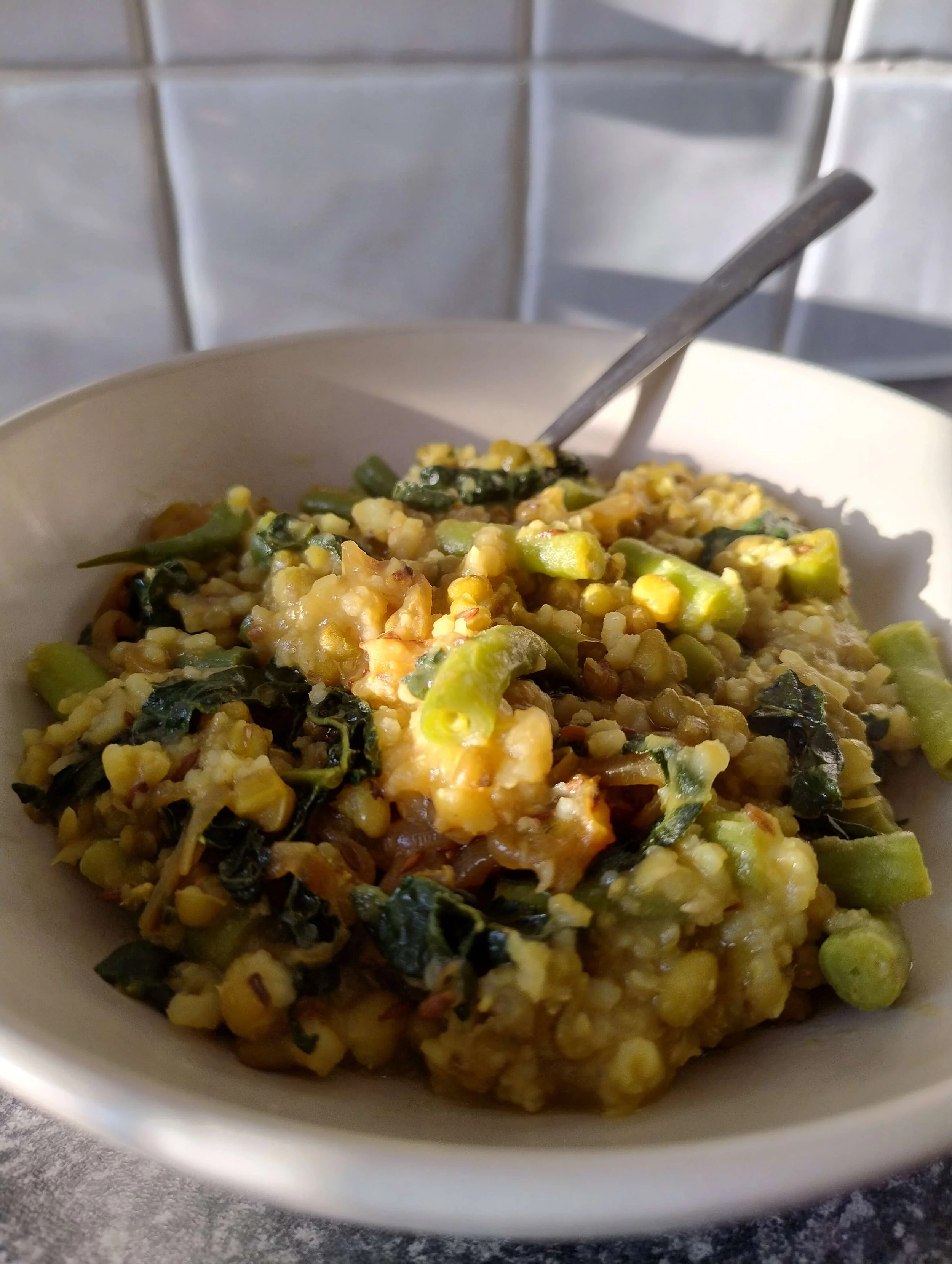
Like many traditional dishes, there are regional and household variations. And then you have your own preferences. If I’m honest, I love the basic of basic – kichari with a dollop of mango achaar.
Below, I’m sharing the staple recipe I grew up with in a Punjabi home with optional add-ins and serving ideas. You can also play around with the ratios of rice, lentils and water to create your preferred consistency. Just keep in mind that it will thicken as it cools.
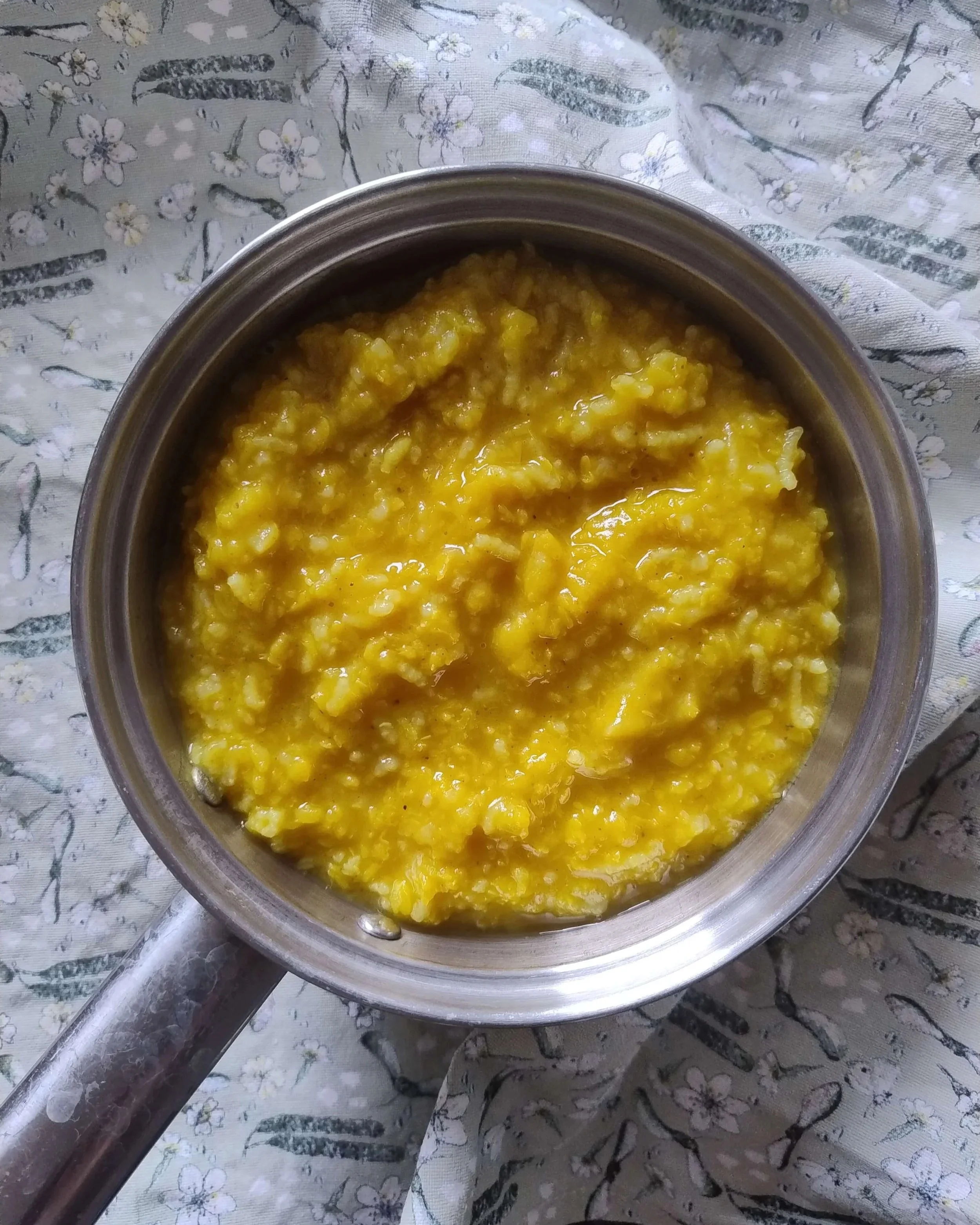
Why you’ll like this kichari recipe:
Easy, one-pot meal, perfect for busy days
Ideal to make ahead
Nutritious meal packed with fibre and protein
Light, comforting and easy to digest
Easy to adapt to suit your tastes
Budget-friendly and made with simple ingredients
Ingredients (serves 3-4)
¼ cup white basmati rice
¾ yellow or green mung dhal
4 cups water
1 generous teaspoon salt
¼ teaspoon turmeric powder
¼ - ½ teaspoon ground dried ginger powder
½ teaspoon ghee
Optional add-ins or sides:
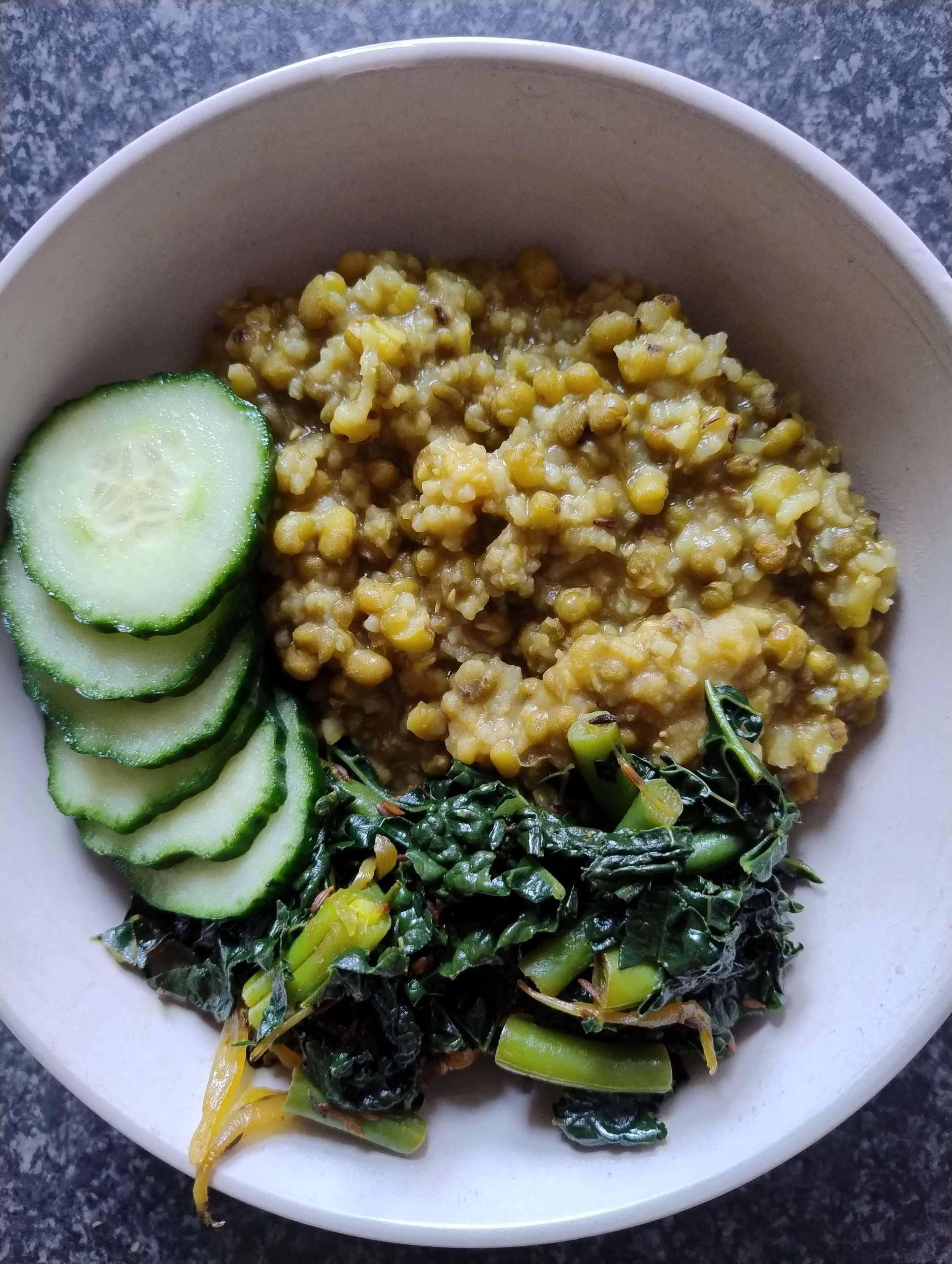
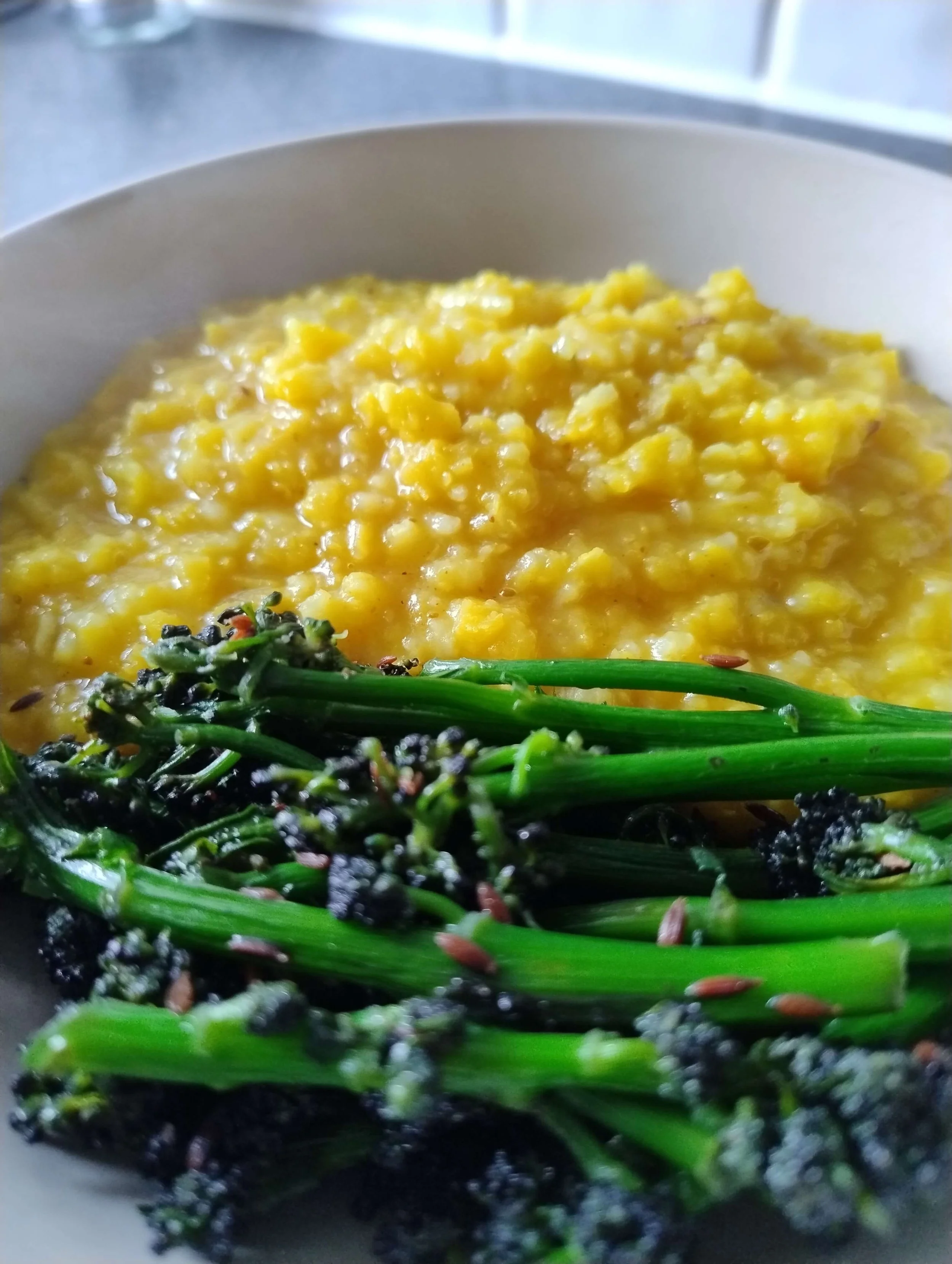
Cumin seeds tempered in ghee
A light sprinkle of garam masala at the end
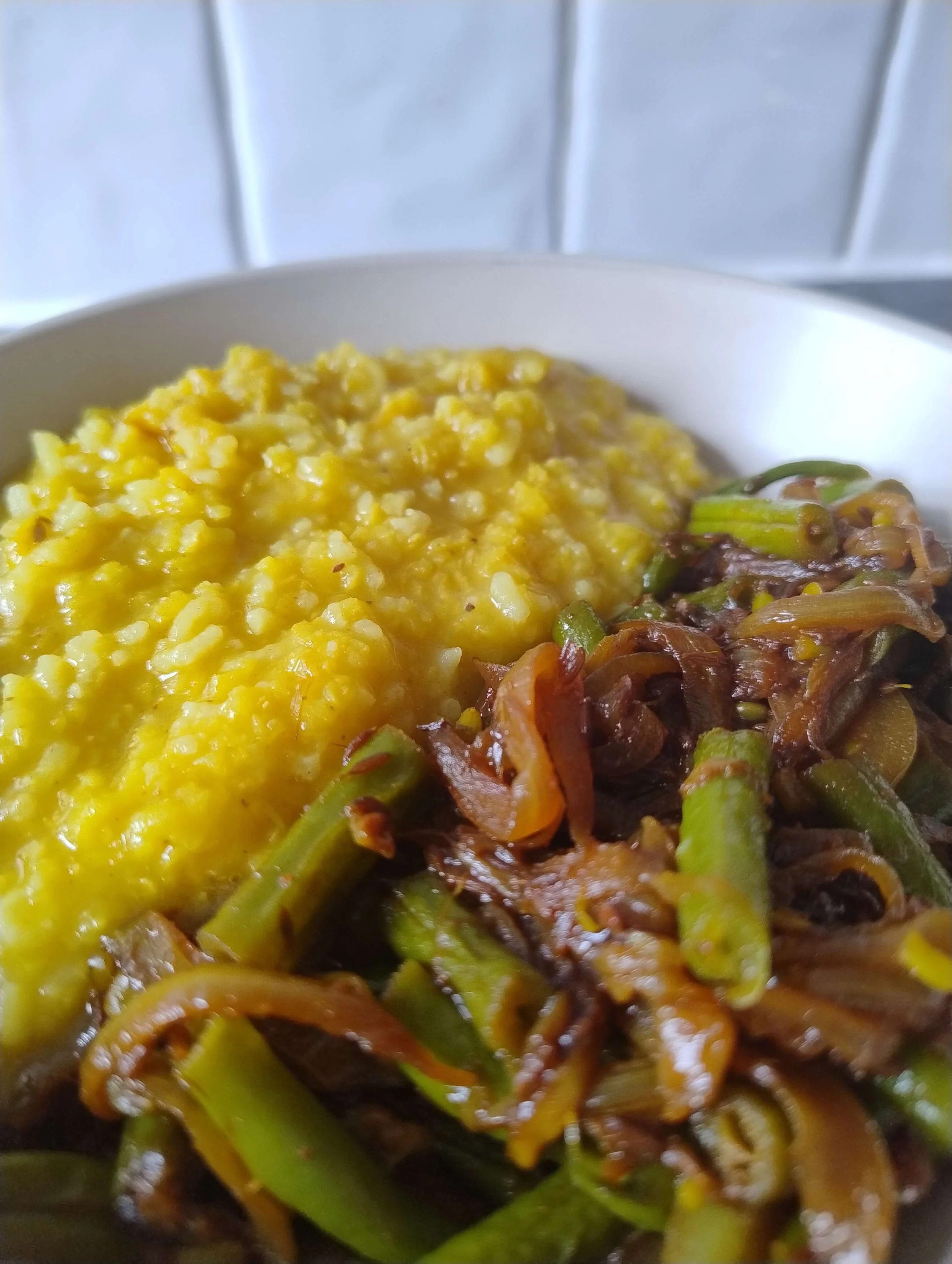
Sauteed greens or vegetables
Crispy browned onion slices
Achaar or any pickle you like
Fresh coriander to garnish
Method
1. Rinse the lentils and rice thoroughly. If using whole green mung dhal, soak this in water overnight beforehand.
2. Put the rice, lentils, water, salt, turmeric and powdered ginger into a steel saucepan. Place over a moderate heat with the lid on until it comes to a boil.
3. Turn the heat down, add the ghee and replace the lid, allowing it to simmer for about 30 minutes, until the rice and lentils are soft and fully combined.
4. Optional: In a separate pan, heat ½ teaspoon of ghee and add cumin seeds until fragrant. Stir this into the kichari before serving.