Know Your Numbers: The Silent Case of Hypertension
Published 14th February 2026
A few weeks ago I went to a networking event where I was offering health promotion, talking about Ayurveda and doing free blood pressure (BP) checks. What struck me was how many people didn’t know what blood pressure was, what it measures, or what their own baseline reading is, despite high blood pressure being one of the most common long-term conditions in the world.
This worries me because few people have noticeable symptoms of high blood pressure (hypertension), even when readings are dangerously high. Over the years, I’ve seen many patients in clinic with very high numbers and no symptoms at all.
Because we rarely see visible symptoms, high blood pressure often goes unnoticed or gets little attention compared with conditions like asthma, diabetes or chronic pain. But hypertension is a silent force, slowly damaging our organs over time.
I’m also noticing people being diagnosed with hypertension at younger and younger ages. It’s no longer unusual to meet people in their 30s and 40s on regular prescription medication for hypertension.
So, I wanted to share a short and simple guide on what exactly blood pressure is, how we can monitor it, red flag signs to look out for, and ways we can improve it naturally alongside medical care.
What Is Blood Pressure?
The heart pumps blood around our body through blood vessels. How easily that blood can move through them depends on the elasticity and health of these vessels.
Vessels that have become damaged, stiff or narrow won’t support the turbulent movement of rushing blood through them. Healthy vessels need to be flexible and contractile to withstand this.
Blood pressure is a measurement of the force of the blood pushing against the walls of our arteries. When our vessels are healthy and flexible, blood flows easily, keeping our blood pressure within normal limits.
If our vessels become stiff, narrowed or damaged, the heart has to work harder to push blood through. This increased force gives a higher blood pressure reading.
A blood pressure reading appears as two numbers. The top number is known as the systolic pressure and tells us the force of blood against our vessel walls as the heart contracts and pumps blood out. The bottom number, known as the diastolic pressure, shows the pressure in the vessels as the heart relaxes between beats.
For most adults, a healthy reading is around 120/80mmHg. However, everyone’s baseline will differ slightly, so what’s more important is knowing your own normal range and monitoring changes over time.
Factors that Affect Blood Pressure
There are many different factors that can influence our blood pressure. Some of these are within our control through lifestyle changes and others might be linked with genetic factors or medical conditions. Understanding these influences can help us make informed, preventative choices.
Inflammation
Chronic inflammation can damage the delicate lining of our blood vessels, making them stiffer and less flexible. Over time, this can lead to resistance to blood flow and raise blood pressure.
Inflammation can come about through a variety of causes. Diets high in refined sugar, processed foods and alcohol can all trigger inflammation in the body, whereas anti-inflammatory foods (vegetables, fruit, oily fish, spices) can help protect vascular health.
Stress
While stress is an inevitable part of life, prolonged and unmanaged stress can create an inflammatory state in the body and constrict our vessels.
Find what works for you to help manage stress responses. Further down the page, I’ve listed some suggestions as well as places to find practical support.
Kidney function
Our kidneys play a key role in controlling blood pressure through balancing water and salt in the body. In health, they filter salt according to need. However, if the kidneys are damaged, often due to inflammation, they are less adept at this.
Think back to GCSE Biology: if there is an excess of a solute (in this case salt), the fluid content becomes concentrated. Fluid follows the solute. The more salt that is retained in the body, the higher our blood volume becomes and, in turn, our blood pressure raises.
So while salt isn’t directly the enemy, if kidney function is compromised due to inflammation, it’s capacity to filter salt will be reduced.
We can support our kidneys by staying hydrated and choosing a balanced diet, avoiding excess salt.
Genetics and Underlying Conditions
Some people are more genetically predisposed to hypertension. Conditions such as primary aldosteronism, sleep apnoea or thyroid imbalances can also contribute to high blood pressure.
If you have a family history of hypertension, regular monitoring and early lifestyle modifications can make a big difference.
Medications
Certain medications can raise blood pressure as a side effect. These include some antidepressants, non-steroidal anti-inflammatory drugs (NSAIDs) such as ibuprofen, or naproxen, and decongestants used for colds.
Always check with your GP if you notice higher blood pressure readings after starting new medications.
The Ayurvedic Perspective
Hypertension is generally seen as an imbalance of Pitta dosha due to elevated stress and inflammation in the mind and body. However, it can also be the result of fluid overload due to poor kidney function, which shows that a Kapha imbalance can be a key player too. This holistic lens can sit alongside conventional medical care.
Why is High Blood pressure a Problem?
Sustained high blood pressure becomes a problem because the force at which the blood is whooshing around our arteries can cause damage to our fragile vessel walls.
Imagine your arteries are like a racing track. When cars go around bends at high speed, the risk of them hitting the kerb goes up. This is exactly what happens in our arteries. Fast moves around bends lead to damage. The body tries to repair this with patches and scar tissue, but these can create walls that are rough and uneven, narrowing them even more.
This ongoing cycle of damaged vessels with high speed circulating fluid has been linked to several health problems including:
Kidney disease from reduced blood flow and difficulty filtering
Poor eyesight caused by pressure-related damage to tiny eye vessels
Heart disease and heart failure as the heart has to work that much harder, causing remodelling of the heart muscles and chambers
Increased risk of stroke due to damaged vessels in the brain
High blood pressure is often called a silent threat because it rarely causes obvious symptoms while quietly causing harm.
A blood pressure reading is considered high when the top number (systolic) is consistently above 130mmHg or the bottom number (diastolic) is above 90mmHg. If you notice readings in this range more than once, it is important to discuss them with your GP.
Hypertension is highly treatable – and in many cases, preventable – with early awareness, lifestyle changes, and regular monitoring.
How Can I Improve My Blood Pressure Naturally?
The good news is that there are many simple, sustainable lifestyle choices that can help lower blood pressure and support overall heart health. Because hypertension is linked to inflammation, activities that reduce this tend to bring readings down.
However, before you read ahead, please note that these activities are not suggested to replace any medication you might already be taking to control your blood pressure. Lifestyle measures and medication can go hand-in-hand and it is always advised to speak with your GP before altering your medications.
Movement and Exercise
Movement is medicine and has been shown to have antihypertensive effects. Aerobic movement increases nitric oxide – a molecule which promotes vessel relaxation, dilation and improved blood flow (1,2). This can all improve hypertension.
Resistance exercise supports in a slightly different way, releasing other vasodilatory substances and improving our metabolic health overall (improved insulin sensitivity, better lipid profiles) which will have an anti-inflammatory effect (3).
Current NHS guidance recommends adults aim for at least 150 minutes of moderate intensity physical activity per week.
Eat for Vascular Health
A fibre-rich, whole-food diet is one of the most effective ways to support healthy blood pressure.
Whole foods give us essential nutrients and fibre helps balance blood sugars. On top of that, when fibre is fermented in the intestines, it creates a by-product called short-chain fatty acids (SCFAs). This plays lots of different roles around the body including reducing inflammation.
In terms of blood pressure, SCFAs have been found to increase nitric oxide production, which helps our blood vessel walls to relax and widen, ultimately improving blood flow (4).
Reducing our intake of highly processed foods and drinks will further support healthy blood pressure.

Prioritise Quality Sleep
Poor sleep leads to stress and hormone imbalance, both of which increase blood pressure. Research shows sleep deprivation is linked with higher levels of cortisol (stress hormone) which is connected with a greater chance of hypertension.
Sleep is an easy way we can reduce inflammation and stress on our mind and body. It is a great detoxifier and a time for regeneration for many of our organs and systems.
Aim for 7-9 hours of sleep per night. Try to keep a consistent bedtime, avoid screens before bed, and create a calm sleeping environment as much as possible.

Manage Stress
It’s easy to write “stress less” when we don’t really know what people are facing day-to-day.
Speaking with patients, I often hear about financial worries, housing difficulties, workplace tensions and caring responsibilities, all happening alongside them trying to manage health imbalances.
If we can start by finding just one thing that helps us feel a little more settled or grounded, try to bring that into your life more often. It might be a cup of tea with some silence, a regular chat with a friend, asking for help, saying no to extra commitments, or simply switching the news off.
Sometimes speaking with a complete stranger can also help. Many patients I speak with worry they burden their loved ones. While this might not be true, someone a little further away can sometimes see your situation with fresh eyes, bringing a different perspective. Many people also aren’t always aware of the support services available – and why would they if they’ve never needed them before?
Reaching out to a helpline is not a sign of weakness, but a sign of strength because it shows you see possibility. Many helplines will signpost you to practical support.
Here are some useful UK-based links if you’re not sure where to start:
ACAS – A helpline for anyone who needs employment law or workplace advice
Citizen’s Advice Bureau – Practical advice on issues including housing, debt, benefits, immigration, legal system, and employee rights
Cruse Bereavement Support – A helpline providing bereavement support no matter how long you have been grieving
Doctors of the World – An advice-line that supports people who are having difficulty with registering with a GP. Also have a range of health leaflets in different languages
Frazzled – Free, regular online meetings to discuss overwhelming stresses in a safe environment
Nafsiyat – Intercultural therapy offered in over 20 languages
Praxis – Free immigration advice for people living in London
Refuge – A freephone, 24-hour domestic abuse helpline
Respect – A freephone domestic abuse helpline for men (Mon-Fri, 10am-5pm)
Samaritans – A freephone, 24-hour helpline to support you through times of crisis
The Listening Place – Free face-to-face support for people who have suicidal thoughts
Talking isn’t the only way we process stress. In Ayurveda, the mind (Manas) is understood to exists throughout the whole body. By appreciating this, we can see how physical, creative and sensory practices can have a powerful role in recognising and releasing stress too.
We all have different things that will interest and support us. Here are a few ideas:
Dance or movement
Singing or chanting
Massage or other manual therapies
Walking or running in nature
Yoga
Pranayama (breathing practices)
Martial arts or boxing
Painting, drawing or other art
Writing
Rest and intentional stillness
Try out different things and notice which practices leave you feeling calmer, and more connected to yourself.
Limit Alcohol and Quit Smoking
Excessive alcohol and cigarette smoking both raise blood pressure and damage our blood vessels (5,6,7). Cutting back or quitting completely can produce quick improvements in circulation and heart function.
Small but consistent changes often have the biggest long-term impact.
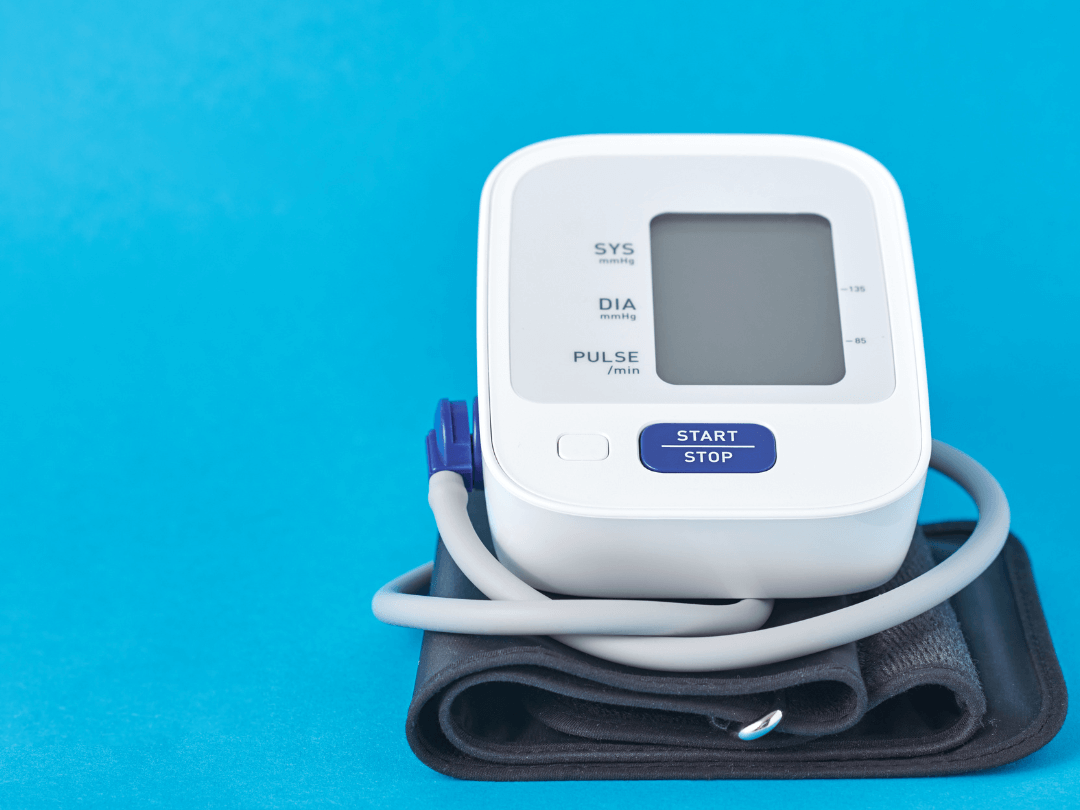
How to Check Your Blood Pressure at Home
Keeping track of our blood pressure regularly is one of the most effective ways to stay on top of our heart health. At-home monitoring can help us understand our baseline, spot patterns, and share more accurate information with our GP.
There are plenty of blood pressure machines that you can purchase online these days. But, it’s important that the procedure is done right to get the best reading.
Here are some tips:
Timing Matters
For the most reliable result, take your blood pressure at a consistent time each day, when you are feeling relaxed. Make sure you’ve been sitting down for at least 10 minutes before taking your reading. Avoid taking readings when anxious, immediately after rushing around, after exercising or drinking coffee. All of these activities can temporarily elevate our blood pressure.
Perfecting Your Position
Sit comfortably with your back supported and feet flat on the ground (legs uncrossed). Rest your arm on a table at heart level.
The cuff should be wrapped around the upper arm (not over clothing) with the lead facing the inner elbow crease. Keep the arm still and avoid talking while the reading is taken.
Relax!
Even mild tension can distort our readings. Take a few slow breaths before you start. If the reading seems unusually high, rest for a few minutes and then retake it.
Stay Hydrated
Dehydration can sometimes cause lower-than-usual blood pressure readings. If the reading is unusually low for you, consider how well hydrated you are. This is also why knowing your normal is important.
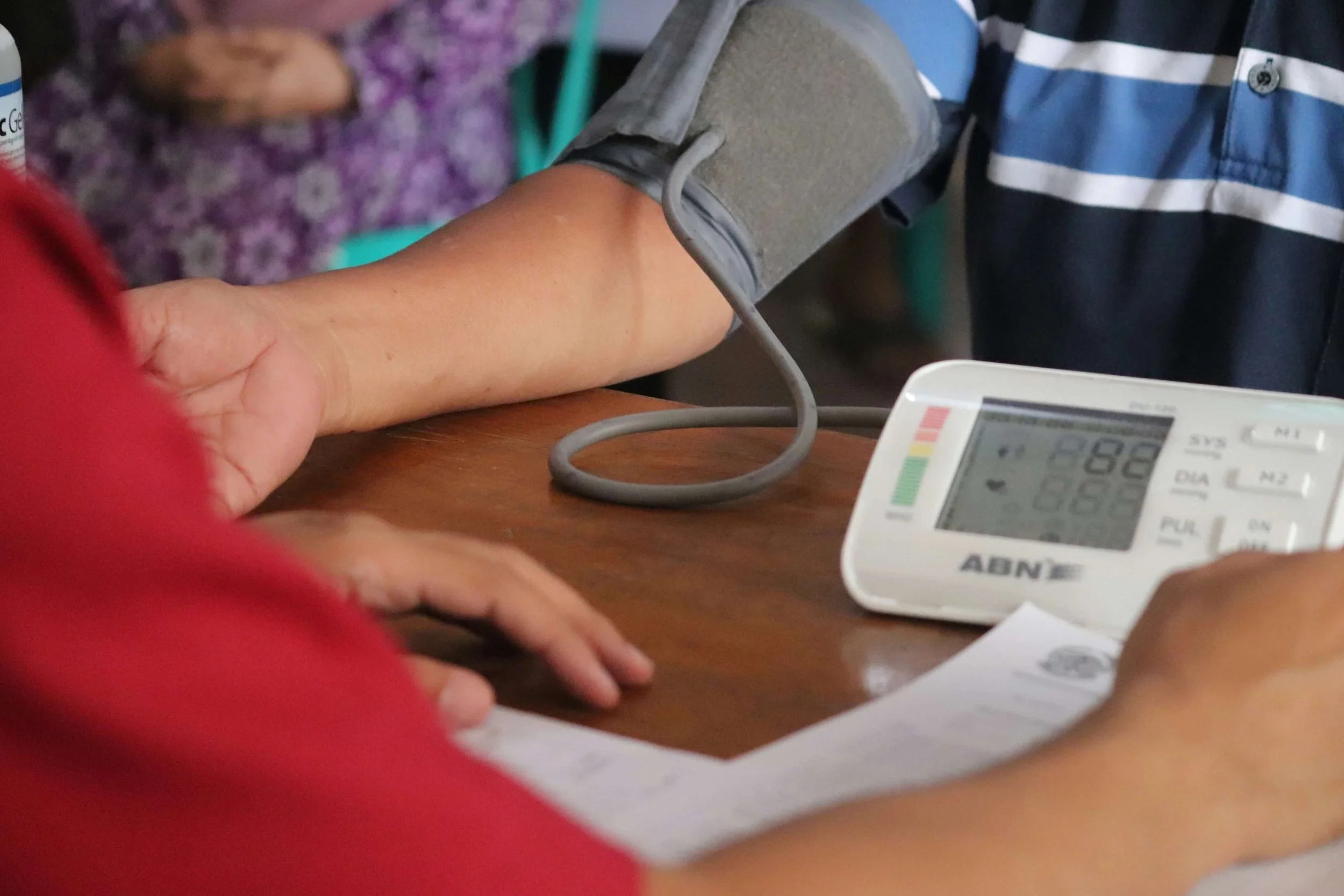
And if you don’t fancy taking your own blood pressure, most pharmacies will offer a free blood pressure check without an appointment – just ask.
If your numbers remain consistently higher or lower than your average range, contact your GP for further advice.
Red Flag Symptoms of Hypertension
High blood pressure is often called a silent condition because many people don’t experience obvious symptoms. However, in some cases, certain signs might appear that should not be ignored.
Possible symptoms of high blood pressure
Persistent or severe headache
Blurred vision
Chest pain, tightness or discomfort
Symptoms of low blood pressure
Blood pressure that is too low (hypotension) can also cause uncomfortable or concerning symptoms:
Feeling faint, light-headed when standing
Pallor (unusual paleness or clammy skin)
Fatigue or confusion
These symptoms can have many causes, but in any of these cases, seek medical help immediately for an assessment.
Stay in the Know
For those of us who do not have diagnosed hypertension or other conditions, it is a good idea to know what our baseline reading is so that we know what’s normal for us. Checking our blood pressure every few months can give us some insight and feedback into our vessel health and in turn, our level of inflammation.
Knowing our numbers doesn’t have to be another source of stress. Think of it as a small act of care that helps you and your healthcare practitioner protect your long-term health.