Glorious Ghee: The Underrated Kitchen Staple for Whole Body Wellness
Every week there's a new super supplement, a rare herb or exclusive powder that promises to be the game changer for 'hacking' our way to better health. But, sometimes, the real magic lies in the humble, time-tested ingredients already in our kitchens. As an Ayurvedic Health Practitioner, I often see clients overlook one of the simplest foods we have – ghee – a golden, nourishing, clarified butter.
Simple, accessible, and incredibly versatile, ghee supports whole-body wellness — from gut function and hormone balance to skin and heart health.
What is Ghee?
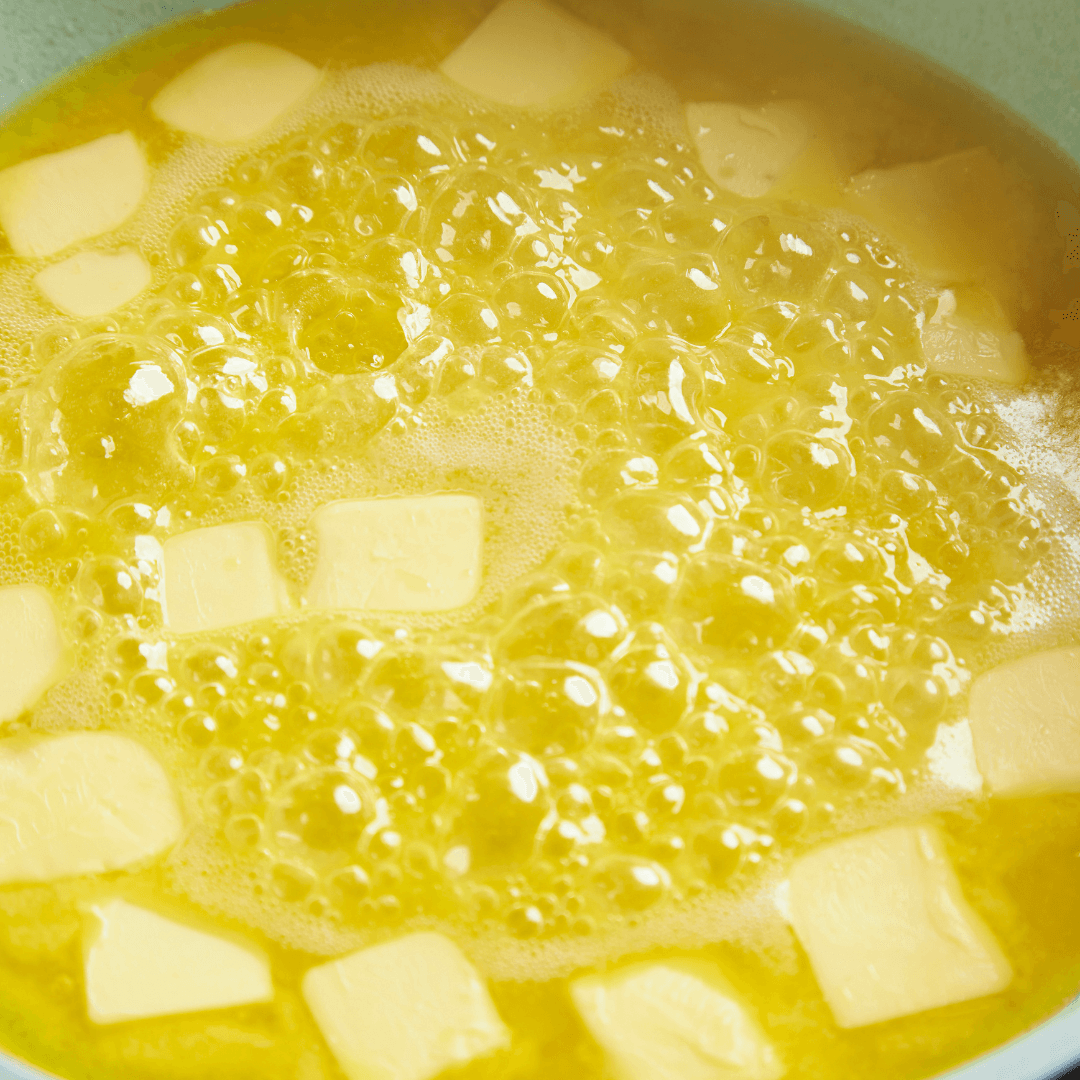
Ghee is butter that has been gently simmered to remove water and milk solids, leaving behind a clear, aromatic fat. It’s rich in healthy fatty acids and fat-soluble vitamins that support every system of the body.
In Ayurveda, ghee is seen as Ojas-building – it nourishes tissues and acts as a carrier for herbal medicines (an anupana).
Ghee balances Pitta and Vata doshas but can aggravate Kapha, so it’s best to limit its use if you’re experiencing any congestion or sluggish digestion.
The Science-Backed Health Benefits of Ghee
Ghee for Gut Health
Ghee is one of the richest food sources of butyric acid, a short-chain fatty acid known for its anti-inflammatory and gut-healing properties. Research shows that butyrate may alleviate inflammatory bowel conditions such as ulcerative colitis (1).
Butyrate supports the gut in three key ways:
It feeds colonocytes (cells that build the gut lining).
It supports expression of tight junction proteins, reducing the risk of "leaky gut".
It boosts the secretion of mucin, a protective protein that defends the gut lining against invading bacteria.
Together, these actions mean ghee helps:
Soothe inflammation in the gut
Strengthen the intestinal barrier (gut wall)
Defend against microbial invasion
As a healthy fat, and specifically because ghee is structurally similar to human lipids, it also supports the absorption and transport of fat-soluble vitamins (A, D, E and K), meaning better uptake of nutrients.
Ghee for Endocrine and Metabolic Health
Adding ghee to starchy foods like white rice has been shown to lower the postprandial (after-meal) glucose spike. This slows down glucose release into the bloodstream, preventing energy crashes and helping maintain steady energy levels, balanced hormones and mood stability (2).
Ghee for Immune Health
Butyric acid also plays a powerful role in immune regulation. It supports the production of T-helper cells — essential for coordinating the body’s adaptive immune response. This reinforces the connection between gut health and overall immunity (3).
Ghee for Skin Health
Internally and externally, ghee is deeply nourishing for the skin.
Rich in vitamins A and E, ghee is a natural antioxidant booster, protecting skin cells from oxidative stress.
Oleic acid locks in moisture, while omega-3 fatty acids reduce inflammation and promote skin repair.
In Ayurveda, glowing skin begins with digestion – a healthy gut reflects as radiant skin (4).
For topical use, I have memories of my mum applying it directly to soothe burns or skin irritations – simple skincare rooted in family tradition that still works today.
Ghee for Heart Health
We're often told that saturated fats are bad for our heart health. But despite being high in saturated fat, moderate consumption of ghee doesn’t appear to raise LDL (“bad”) cholesterol — in fact, studies suggest it may improve overall lipid profiles and vessel health compared to other fats (5; 6).
Growing evidence shows that dietary sources of cholesterol aren’t themselves the enemy – chronic inflammation is. Think of cholesterol as a fire-fighter that attends when the inflammatory response is at the resolution stage. Yes, cholesterol levels might have a tight window to operate in before they become disruptive, but essentially, they are part of the inflammatory pathway and key for cellular health, not a stand-alone bad guy (7; 8).
Alongside its anti-inflammatory role, ghee’s conjugated linoleic acid (CLA) content may also support cardiovascular and metabolic function.
Ghee for Eye Health
Ayurveda recognises ghee as a cooling and lubricating substance for the eyes. In traditional therapies such as Netra Tarpana, the eyes are bathed with medicated ghee to soothe and cool excess Pitta accumulation, improving clarity.
While modern research is limited in this area, vitamin A is a key player in eye health (vision and ocular tissue repair) and ghee has plenty of this (9).

How to Use Ghee Daily
Incorporating ghee is simple and delicious:
Melt a teaspoon over cooked grains or vegetables
Use it instead of oil for gentle sauteing
Stir into soups for added nourishment
Apply small amount to dry skin or lips for natural hydration
Simple solutions
I'm all about making wellness easy and doable and our kitchen is the perfect place to start. In a world of exclusive supplements, ghee is an accessible, nourishing, and versatile superfood. From supporting gut health and immune resilience to nourishing the skin and heart, it earns a regular spot in our kitchen cabinet.
Simple wellness doesn’t have to be complicated — sometimes, it’s as easy as adding a spoonful of golden ghee to our daily meals.
My favourite ghee brands in the UK:
References:
3. Liu et al. (2018) Butyrate: A double-edged sword for health? Advances in Nutrition, 9(1)
8. Tsoupras et al. (2018) Inflammation, no Cholesterol, Is a Cause of Chronic Disease. Nutrients, 10(5)
9. Muthanna & Seshan (1941) Studies on the vitamin A content of ghee. The Indian Medical Gazette.