How Ayurveda Can Support Recovery from Acute Illness and Injury
We often hear that Ayurveda is excellent for preventative care and managing long-term conditions. But did you know it can also be a powerful adjunct for supporting recovery from acute illness or injury?

In Ayurveda, there are eight core specialities (Ashtanga Ayurveda):
Internal Medicine (Kaya Chikitsa)
Surgery (Shalyatantra)
Head & Neck and ENT (Shalakyatantra)
Gynaecology, Obstetrics & Paediatrics (Kaumarya-Bhritya or Bala Chikitsa)
Toxicology & Immunology (Agadatantra)
Sexual Health & Aphrodisiac therapy (Vajeekarna)
Rejuvenation (Rasayana)
Psychiatry & Spiritual Wellbeing (Graha Chikitsa)
Modern Ayurvedic practice in the UK often focuses on long-term wellness and rejuvenation (Kaya chikitsa and Rasayana therapies). However, its principles can also play a supportive role in recovery from acute events without being invasive.
Below are two real-world examples I want to share that show how Ayurveda can complement conventional care during recovery.
Case Study: Fracture Recovery
I’m currently working with a 65-year-old woman who sustained right-sided patella (knee cap) and fibula (lower leg bone) fractures after slipping on a wet surface at home. She has a history of both osteoarthritis and osteopenia (reduced bone density).
Following the standard medical pathway, she was seen in hospital for an x-ray which confirmed the fractures and then reviewed by the Orthopaedic team who provided advice and a leg brace.
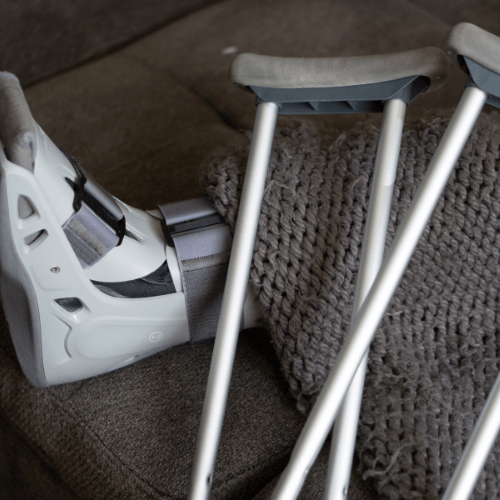
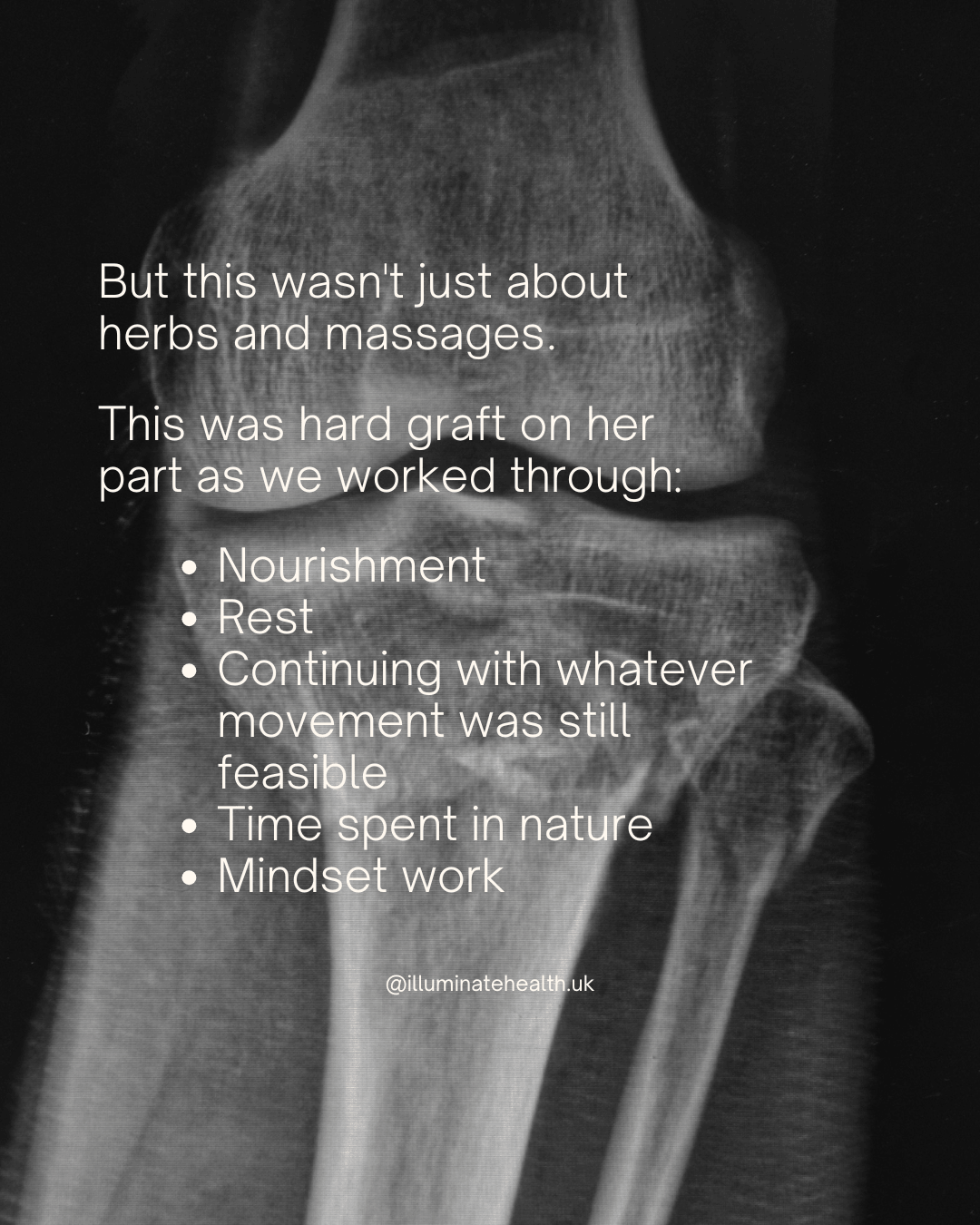
Alongside her conventional care, together, we focused on:
Optimising her nutrition for bone healing
Selecting herbs known to support bone health and reduce inflammation
Encouraging safe outdoor exposure for vitamin D and mood
Nurturing a resilient mindset for the weeks and months ahead
She’s just come back from her 6-week review at the Fracture Clinic and had a repeat x-ray which showed excellent progress. The Consultant reported the patella fracture was healing well. But when she asked about the fibula fracture, the Consultant asked “What do you mean? I can’t see anything on this x-ray.” When she asked him to compare it to the original x-ray, he was shocked to see the fibula fracture had completely healed.
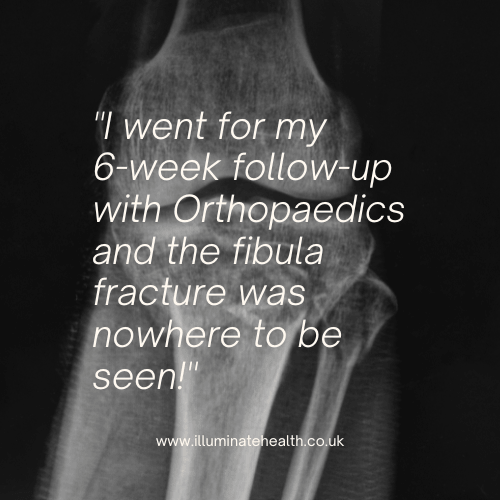
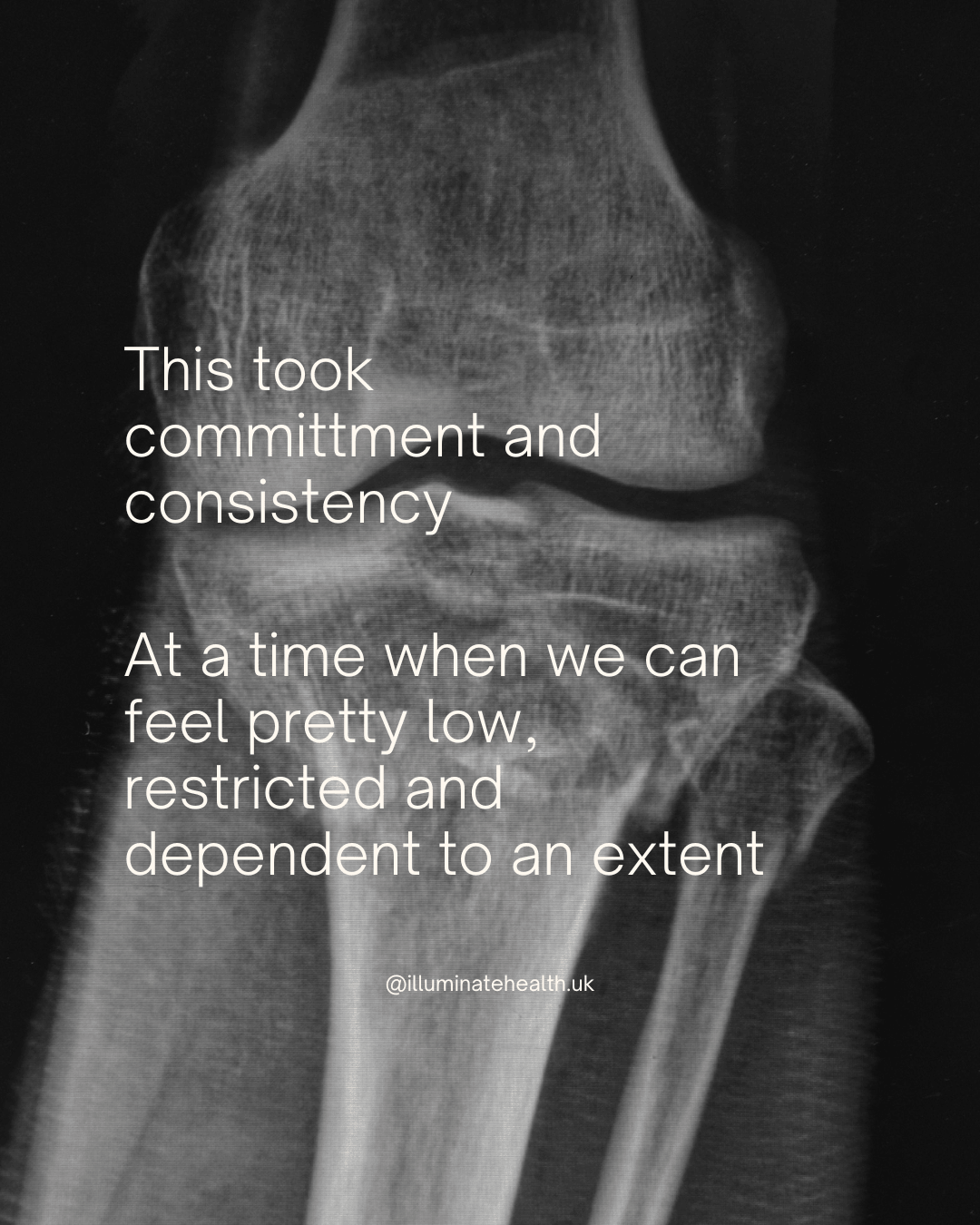
Not only this, she’s been able to maintain a remarkable level of mobility and positive outlook despite the physical restrictions.
While we can’t credit one single factor as responsible for her rapid healing, her openness to trying an integrative approach to support her mind and body kept her actively involved in her recovery journey.
Case Study: Post-Surgical Recovery
The second example I’d like to share is about the recovery after surgery. Many people notice things feel different afterwards. It could be digestive changes, persistent weakness or just a change in foods and activities they can tolerate.
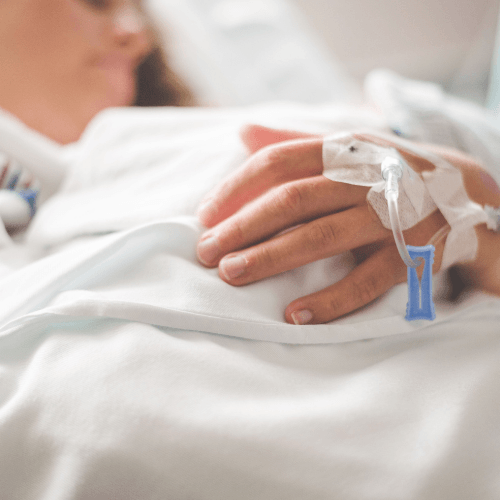
From an Ayurvedic perspective, surgeries that involve the cutting of an organ or growth (think gall bladder removal, fibroid excision or hysterectomy) create a “space” where there wasn’t one before. This can allow Vata dosha (energy of movement and space) to settle here and cause disturbances such as pain, bloating, constipation, anxiety and even prolapses..
Surgery is also a traumatic event that triggers inflammation as a repair response. But ongoing inflammation can be problematic. This might be compounded by medications given in the post-operative period. While these are essential in the short-term, they are processed by our liver and from an Ayurvedic perspective, can generate excess heat in the body (Pitta aggravation).
As the body attempts to repair itself, we may also see imbalances in tissue regrowth such as adhesions, excessive scar tissue, lumps or keloid formation. This is Kapha dosha in overdrive as its core functions include structure, lubrication and re-building.
Understanding these potential imbalances and complications helps us tailor supportive Ayurvedic practices that pacify disturbed doshas and create an ideal recovery environment. Key areas of focus include:
Energy expenditure – Balancing rest with gentle movement
Nourishing foods and drinks – Warm, easy-to-digest meals that support tissue repair
Stress management – Breathing exercises, meditation or other calming practices
Oil application (if appropriate) – Gentle self-massage to soothe the nervous system (Vata) and improve circulation
Supportive daily routines (Dinacharya) – Consistent sleep, meal times and wind-down routine
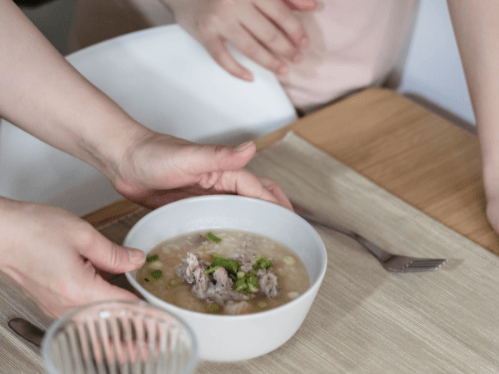
By considering your Vikriti (current state of imbalance), Ayurveda presents a personalised, adaptable recovery plan that complements other therapies you may be using such as physiotherapy or occupational therapy post-surgery.
So, Ayurveda isn’t just for preventative care and chronic conditions. Its holistic approach (recognising nutrition, lifestyle, mindset and herbal support) can enhance recovery from acute health events when used alongside conventional care,

If you’re working through recovery from injury, surgery or illness and want to explore how Ayurvedic practices might support your healing journey, let’s chat.
And if you have upcoming surgery planned, have a read of this article on supporting the pre-hab stage.