Eat Your Water – The Ayurvedic Approach to Supporting Meaningful Hydration
It’s late Summer and as we step into yet another month of scorching temperatures here in the UK, many of us are starting to experience a type of depletion.
The same way the grass has turned into crispy hay, some of us might notice dry skin, dry hair, frazzled nerves and maybe even a quiet exhaustion.
Ayurveda sees a direct correlation between what’s happening in our environment to the changes we’re experiencing in our body and mind. Just as the ground becomes parched, so too can our body and spirit.
Everywhere you turn, you hear about the importance of hydration but what does meaningful hydration mean? Let’s think about the fundamental qualities of the food and drinks we consume for a moment.
Ask yourself:
Is this wet or dry?
Is this airy or dense?
Is this crunchy or gloopy?
Does it make my mouth pucker?
In a hot climate, we naturally want more moisture and this can come in many forms, not just a glass of water. In fact, just a glass of water may not really cut it.
Think fats, minerals, sauces, soups, stews, juices. The word unctuous is used a lot in Ayurveda and I can’t find another apt word. This is the quality we need to invite more of into our meals to support a nourished body and mind.
Why Water is Essential for Cells
Our cells literally need to be bathed in liquid to function well otherwise they dehydrate and become glitchy. Here are just some of the functions of water in the health of cells:
Gives cells structure by creating hydrostatic pressure
Enables movement of molecules and organelles within cells (cytoplasm)
Allows the dissolving of important substances
Provides a liquid environment for biochemical reactions to take place in
Facilitates metabolic processes such as hydrolysis
Acts as a medium to transport nutrients and waste products
Protects cells from temperature damage by maintaining stable internal temperature
These biological processes are what allow energy formation and nerve transmission, helping us to feel alert, recognise sensations, and all the other important functions healthy cells carry out.
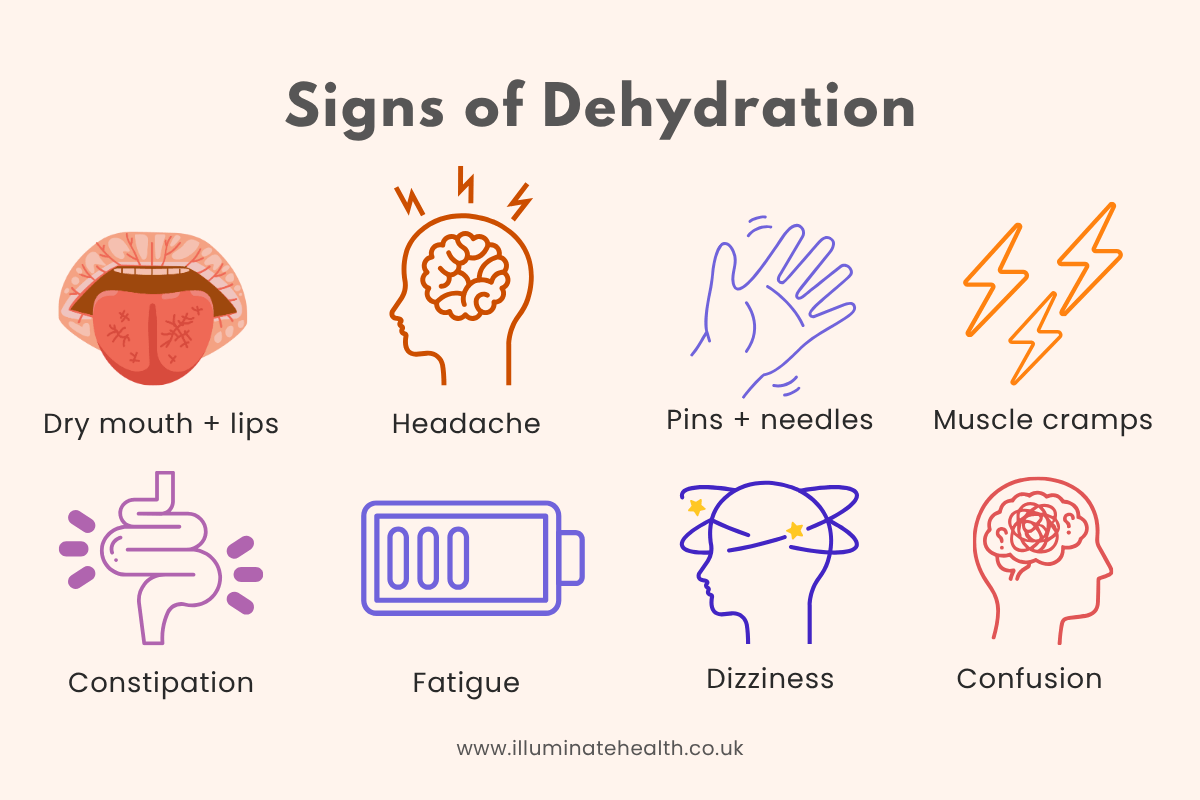
Now it becomes easy to see why dehydration can lead to adverse symptoms including:
Dizziness
Headaches
Pins and needles
Confusion
Fatigue
Muscle cramps
How Water Reaches Cells
Hydration is not just about chugging a whole load of water, it’s about how well that water can be utilised by individual cells. This is known as cellular hydration. The optimum state is where there is a balance of solutes (substances) and liquid both inside and outside of the cells (isotonic state).
There are two key ways that water moves across cell membranes:
Passive movement
Active movement
Passive water flow is also known as osmosis. This is where water moves from a space of high concentration (diluted) to a space of lower concentration (concentrated solution).
Active water flow involves transport proteins at the cell membrane that control the cell volume. Electrolytes are minerals that carry an electric charge and can influence this movement across the membrane.
Electrolytes: Essential Minerals to Balance the Body
The main electrolytes include:
Bicarbonate
Calcium
Chloride
Magnesium
Phosphate
Potassium
Sodium
Other minerals include iron, zinc, copper, chromium and manganese but are not normally considered the primary electrolytes that regulate fluid balance.
While electrolytes help in maintaining the osmotic balance and movement of water in and out of cells, they also perform other important functions:
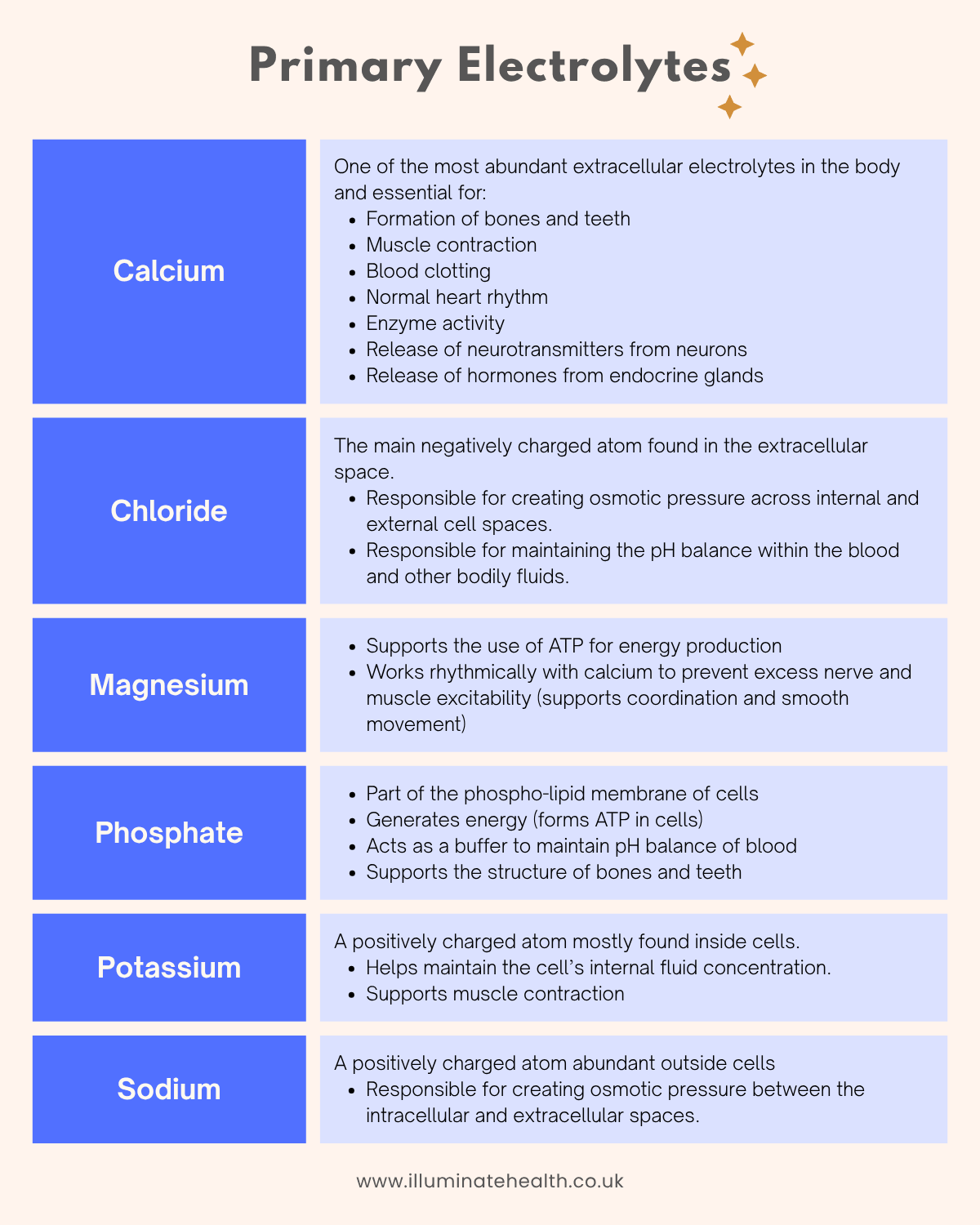
In summary, electrolytes support biological processes including:
Cellular hydration
Nerve transmission
Muscle contraction
Energy production
Fluid balance
pH balance
Optimising Hydration Through Diet
In extreme heat, exercise or acute illness, the body can lose both fluids and electrolytes. Drinking plain water isn’t always helpful and can further dilute what electrolytes remain.
Supermarket shelves are packed with a variety of sweetened electrolyte drinks promising to make us feel great. But, unless we’re exercising intensely, sweating heavily or someone recovering from illness (think diarrhoea and vomiting), the majority of us can get adequate electrolytes through our day-to-day meals.
I love to take a food-first approach because this way, we’re in control of what we’re consuming and we get the added benefits of the other nutrients naturally found in whole foods.
Ayurveda encourages us to “eat our hydration”. Nourishing our body with water-rich foods offers a slower and sustainable moisture without dousing our Agni with huge amounts of water taken in one go.
Water-rich foods are an excellent way to hydrate especially as they naturally contain minerals fibre and electrolytes too. Some examples include:
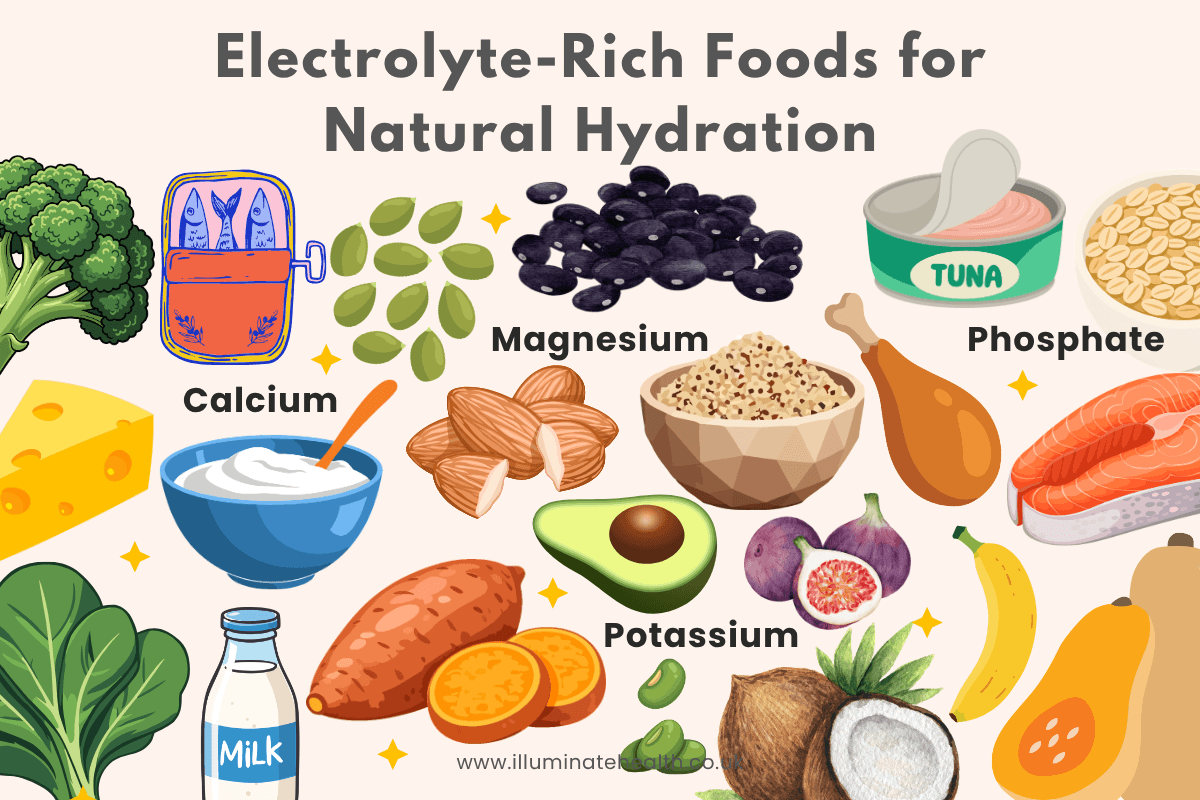
🦴Calcium:
Tofu
Cheese
Broccoli
Sardines
Spinach
Swiss chard
Yoghurt
🔋Magnesium:
Pumpkin seeds
Almonds
Leafy green vegetables
Avocados
Black beans
Quinoa
Edamame
🦷Phosphate:
Salmon
Sardines
Tuna
Haddock
Liver
Sunflower seeds
Kidney beans
Oats
Milk
Yoghurt
Chicken
Seafood
⚡️Potassium:
Mung beans
Lentils
Bananas
Spinach
Cannellini beans
Avocado
Cow’s milk
Potato
Sweet potato
Coconut
Butternut squash
Salmon
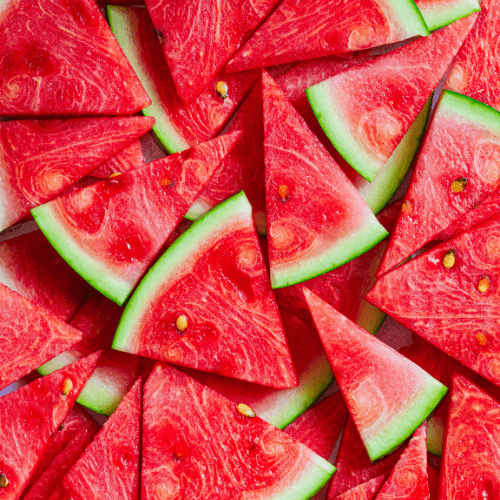
Watermelon
Cantaloupe melon
Figs
Dates
Leafy green vegetables
Beyond Water: Hydration and Healthy Fats
Another point about hydration is that Ayurveda sees this as more than just a discussion of water and electrolytes.
Lipids (fats) are also an essential component of healthy cells. The phospholipid bilayer is what creates the cell membrane, giving it structure. It's also what makes up the white matter of the brain and myelin sheath covering our nerve cells, acting as an insulator that helps speed up nerve transmission (smooth communication).
In Ayurveda, fat is seen as deeply nourishing both when applied externally to the body and when consumed as part of a meal.
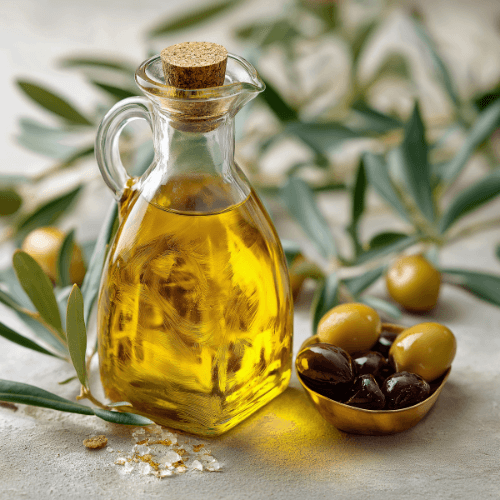
Including healthy fats into our meals can offer additional support to our body and cells. These might include ghee, olive oil, nuts, seeds, oily fish and other nourishing sources of fat.
Have a read of this article on ghee for more information.
Person-Specific Hydration Strategies
As a personalised practice, Ayurveda appreciates our health needs can change from person to person and over time. The “eight glasses a day” rule is generic advice and not always appropriate for everyone. Our fluid requirements will vary on our size, activity level, environmental temperature, diet, health status and the amount we are sweating.
Ayurveda takes it one step further by considering an individual’s constitution, current imbalances and the changing seasons.
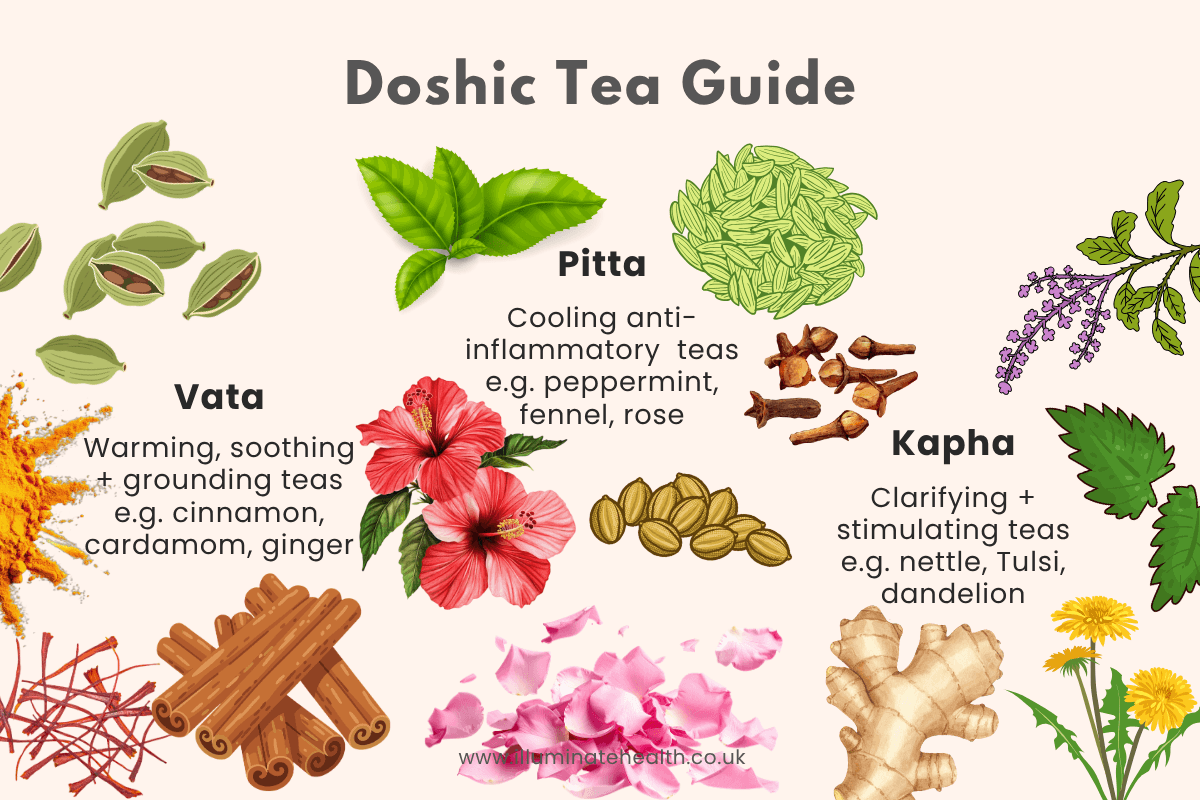
In Ayurveda, the three doshas represent biopsychological energies that oversee different processes in the mind and body. These are:
Vata dosha – Composed of space and air. Responsible for all movement and catabolic activity.
Pitta dosha – Predominantly fire-based and responsible for all transformative processes including metabolism.
Kapha dosha – Made of the water and earth elements, this dosha provides stability, lubrication and structure.
The same three energies are seen throughout nature including the circadian rhythm, seasons and stages of life.
When we take individual body types, imbalances and changing seasons into account, we can see how the advice around recommended daily water intake might need to shift. Ayurveda prompts us to think not only of the quantity to consume but the quality and composition of those fluids.

Hydration for Vata dosha
A person experiencing Vata imbalance might experience dryness, feeling cool and light. This might look like dry, chapped skin, constipation, bloating, irregular appetite and digestion, or feeling restless and anxious.
To settle and soothe the flighty nature of Vata dosha, choose drinks that are hydrating, warming and grounding. Try:
Ginger tea
Warm, spiced milk (cardamom, cinnamon, saffron, turmeric)
Warm, spiced almond milk (cinnamon, nutmeg)
Warm soups and broths
Hydration for Pitta dosha
Someone who is prone to Pitta-type aggravations might notice rising heat, sharpness or burning sensation. This can appear as skin irritations, inflammatory symptoms, heartburn or loose stool.
To pacify this excess heat, choose drinks that are cooling in nature. Note that this doesn’t mean ice-cold drinks in temperature but those that have a cooling effect such as:
Mint tea
Fennel tea
Rose tea
Coconut water
Aloe vera juice
Hydration for Kapha dosha
Individuals who are susceptible to Kapha imbalances might experience a sense of sluggishness, heaviness and congestion. This can show up as slow digestion, excess mucous build-up or fluid retention.
To get things moving again, we need to introduce drinks that stimulate the senses and stoke digestion. Try:
Tulsi tea
Ginger tea
Chai with warming spices (black pepper, cinnamon, cardamom)
Hydration Tips for Everyone
Start the day with water
Sip don’t gulp
Drink mostly in between meals rather than with meals
Skip the iced water
Choose hydrating foods
What Meaningful Hydration Really Means
Ayurveda teaches us to look beyond generic advice and appreciate that everyone’s fluid needs will vary according to their body, environment, activity levels and current state of health.
It also encourages us to think beyond water alone and consider the basic qualities of the foods and drinks we consume to fully understand their effects on us.
This moves the conversation of hydration beyond water and electrolytes alone. By including watery foods, nourishing fats, mineral-rich ingredients and a personalised approach, we develop a more meaningful understanding of hydration, supporting what the body and senses actually need.